
Introduction

The Vice President of India is the second-highest constitutional post in the country, right after the President. While the role may seem ceremonial, the Vice President plays a key part in the functioning of India’s democracy, especially in the Rajya Sabha (Council of States).

If you’re preparing for UPSC, SSC, Banking, or other competitive exams, understanding the Vice President’s powers, duties, and history is essential static GK.

πŸ›οΈ Constitutional Position

  • Article Covered: Article 63 to 70 of the Indian Constitution
  • Office Established: 1952
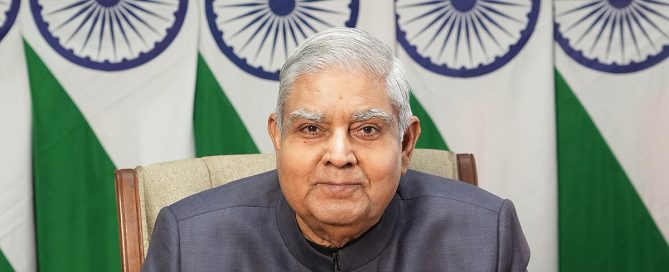
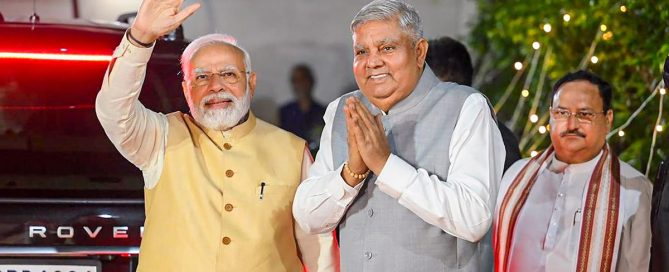
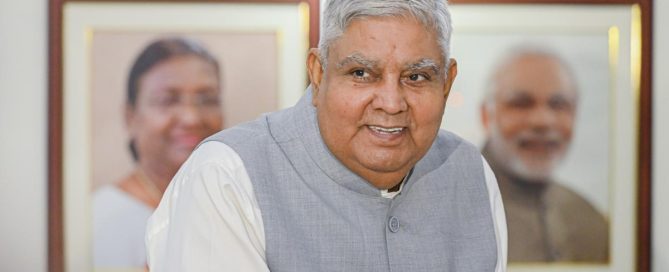
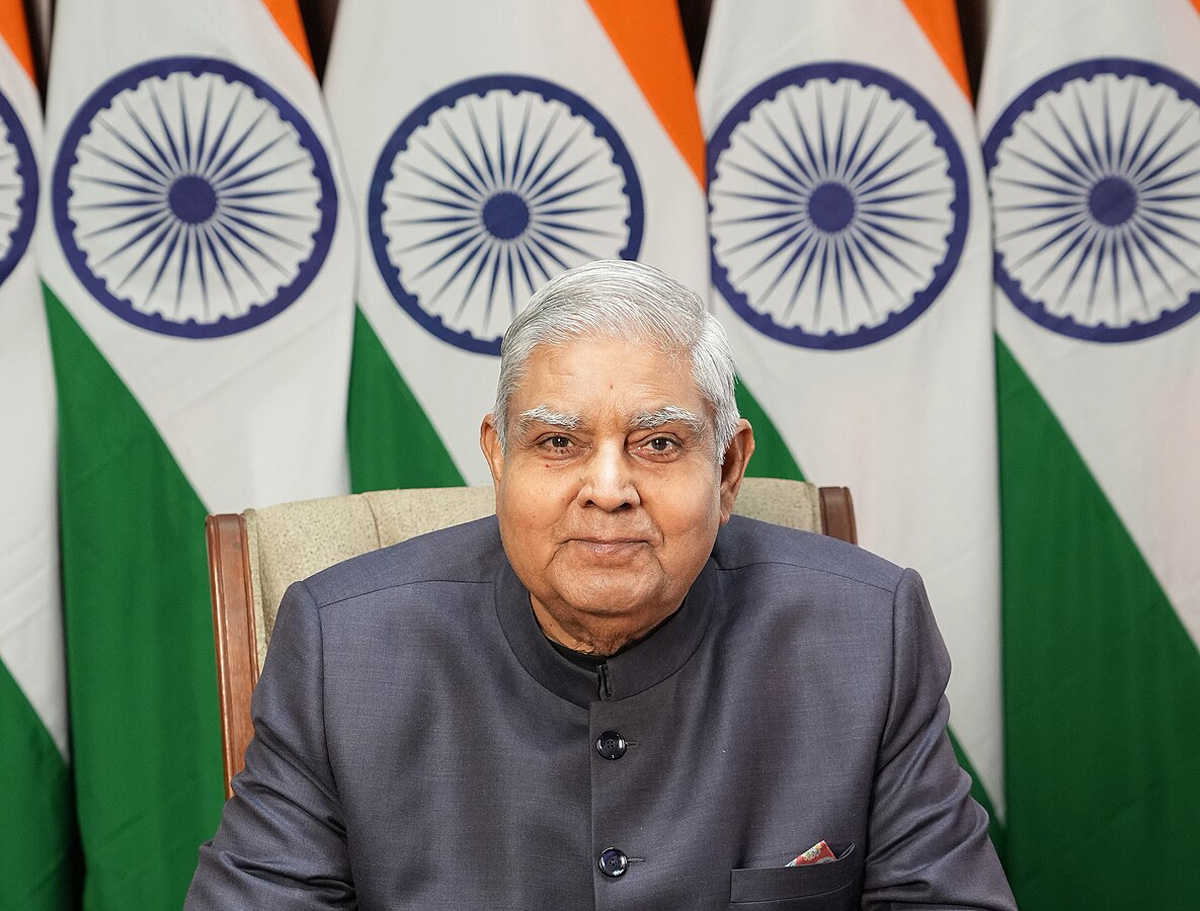
  • Current Vice President (2025): Jagdeep Dhankhar
  • First Vice President of India: Dr. Sarvepalli Radhakrishnan

βœ… Eligibility Criteria

To become the Vice President of India, a candidate must:

  • Be a citizen of India
  • Have completed 35 years of age
  • Be qualified to become a member of the Rajya Sabha
  • Not hold any office of profit under the government

πŸ—³οΈ Election Process

  • Elected by: An electoral college consisting of members of both Lok Sabha and Rajya Sabha
  • Election Type: Proportional Representation by means of Single Transferable Vote
  • Tenure: 5 years (but can be re-elected)

πŸ›‘οΈ Powers and Functions

  1. Chairperson of Rajya Sabha
    • The Vice President acts as the ex-officio Chairman of the Rajya Sabha (Upper House).
    • Maintains order and decorum, decides rules, and ensures smooth functioning.
  2. Acting as President
    • In the absence of the President (due to resignation, death, impeachment, or other causes), the Vice President acts as the President of India until a new one is elected.
  3. No Executive Powers
    • Unlike the President, the Vice President does not hold any executive or legislative power unless acting as the President.

🧾 List of Vice Presidents of India (1952–2025)

S.No Name Term Later Became President
1 Dr. S. Radhakrishnan 1952–1962 βœ… Yes
2 Dr. Zakir Husain 1962–1967 βœ… Yes
3 V.V. Giri 1967–1969 βœ… Yes
4 Gopal Swarup Pathak 1969–1974 ❌ No
5 B.D. Jatti 1974–1979 ❌ No
6 Mohammad Hidayatullah 1979–1984 ❌ No
7 R. Venkataraman 1984–1987 βœ… Yes
8 Dr. Shankar Dayal Sharma 1987–1992 βœ… Yes
9 K.R. Narayanan 1992–1997 βœ… Yes
10 Krishan Kant 1997–2002 ❌ No
11 Bhairon Singh Shekhawat 2002–2007 ❌ No
12 Mohammad Hamid Ansari 2007–2017 ❌ No
13 M. Venkaiah Naidu 2017–2022 ❌ No
14 Jagdeep Dhankhar 2022–Present (2025) ❌ No

🧠 Static GK Facts – Vice President of India

  • Longest Serving Vice President: Mohammad Hamid Ansari (10 years, 2007–2017)
  • Only Vice President to Die in Office: Krishan Kant
  • Vice Presidents Who Became Presidents: 6 (e.g., Dr. Radhakrishnan, Zakir Husain, etc.)

πŸ“š Vice President vs President – Key Differences

Feature President of India Vice President of India
Rank Highest constitutional post Second-highest post
Role Executive Head Rajya Sabha Chairperson
Election Body Elected by MPs + MLAs Only MPs (Lok Sabha + Rajya Sabha)
Article of Constitution Article 52–62 Article 63–70
Term 5 Years 5 Years

πŸ“Œ Conclusion

The Vice President of India is a crucial link between the executive and legislature, acting as the guardian of parliamentary procedures in the Rajya Sabha. Though the role is largely constitutional and ceremonial, it holds great value in maintaining India’s democratic fabric.