
RECENT POSTS
RRB JE Exam Analysis 2026: 27 Oct Good Attempts
RRB JE Exam Analysis 2026: 27 October Shifts, Good Attempts and Difficulty RRB JE Exam Analysis 2026: The Railway Recruitment Boards (RRBs) scheduled the Junior Engineer CBT 1 exam for 27 and 28 October 2026 [...]
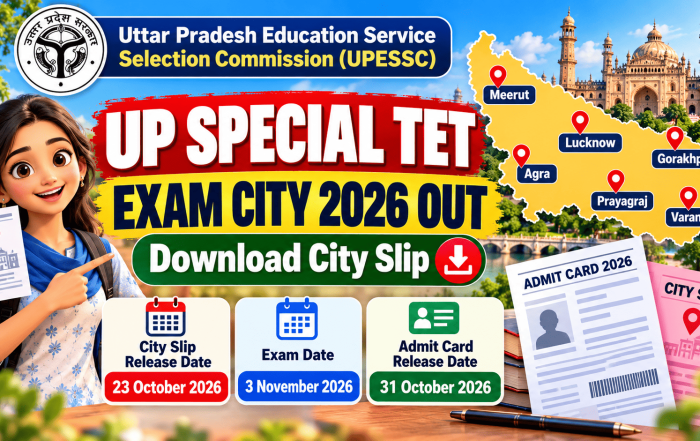
UP Special TET Exam City 2026 Out, Download City Slip
UP Special TET Exam City 2026 Out, Download City Slip The Uttar Pradesh Education Service Selection Commission (UPESSC) released the UP Special TET Exam City 2026 slip on 23 October 2026. Candidates who applied under [...]
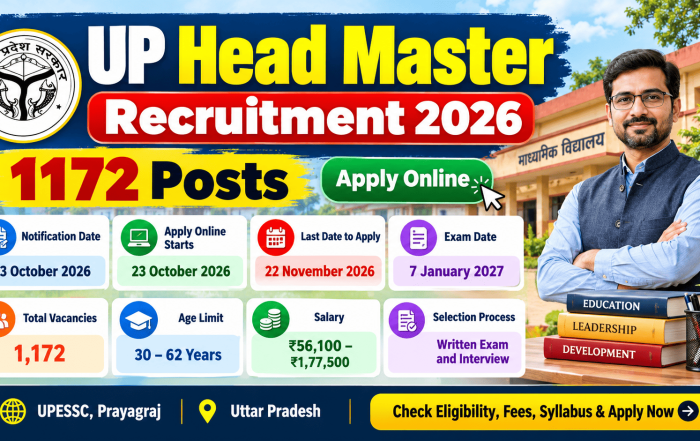
UP Head Master Recruitment 2026: 1172 Posts, Apply Online
UP Head Master Recruitment 2026: 1172 Posts, Apply Online UP Head Master Recruitment 2026 notification has been released for 1,172 Head Master vacancies in Uttar Pradesh. The Uttar Pradesh Education Service Selection Commission (UPESSC), Prayagraj, [...]

DGMA Recruitment 2026: Apply Online for 30 MSA Posts
DGMA Recruitment 2026: Apply Online for 30 MSA Posts DGMA Recruitment 2026 is open for 30 Management Support Associate (MSA) vacancies in Mumbai. The Directorate General of Maritime Administration (DGMA), under the Ministry of Ports, [...]
DSSSB ASO Answer Key 2026 Out, Response Sheet Link
DSSSB ASO Answer Key 2026 Out, Response Sheet Link The DSSSB ASO Answer Key 2026 was released on 23 October 2026 by the Delhi Subordinate Services Selection Board (DSSSB). Candidates who appeared in the Grade-II/Assistant [...]
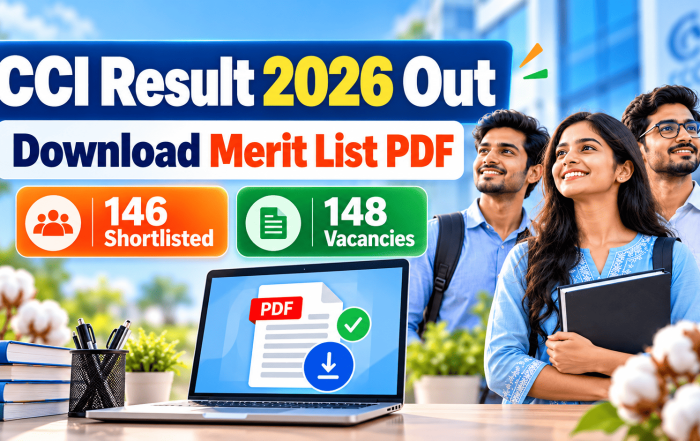
CCI Result 2026 Out: Download Merit List PDF
CCI Result 2026 Out: Download Merit List PDF CCI Result 2026 was released on 23 October 2026 by the Cotton Corporation of India Limited (CCI). Candidates who appeared in the computer-based examination can now download [...]

UP TGT Notification 2026 Out: 17,735 Vacancies
UP TGT Notification 2026 Out: 17,735 Teacher Vacancies UP TGT Notification 2026 Out: The Uttar Pradesh Education Service Selection Commission (UPESSC) has announced 17,735 Assistant Teacher vacancies in government-aided secondary schools across Uttar Pradesh. The [...]
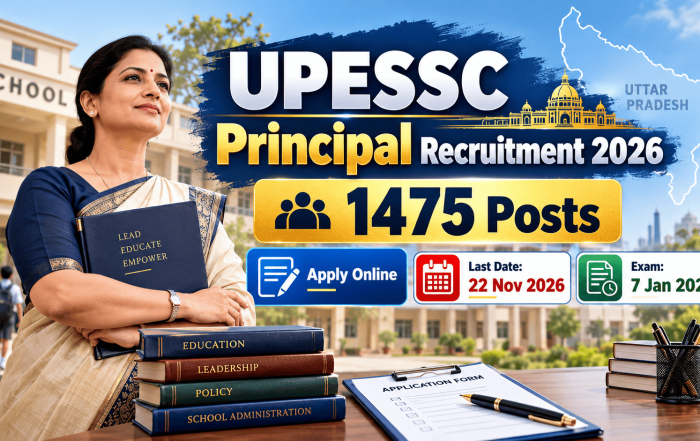
UPESSC Principal Recruitment 2026: 1475 Posts
UPESSC Principal Recruitment 2026: 1475 Posts UPESSC Principal Recruitment 2026 is now open for 1,475 Principal posts in aided schools across Uttar Pradesh. The Uttar Pradesh Education Service Selection Commission (UPESSC) released the notice on [...]
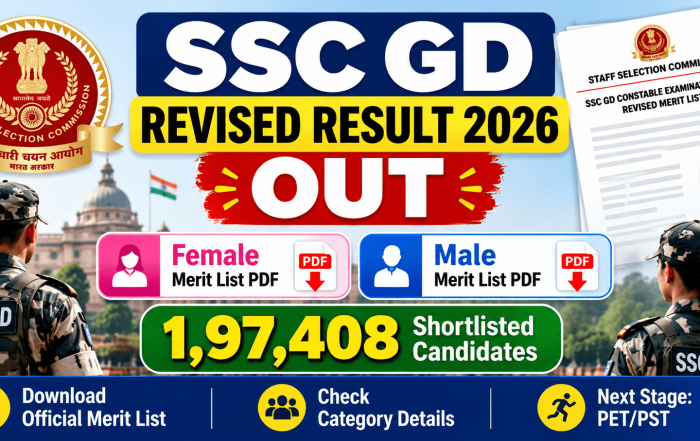
SSC GD Revised Result 2026 Out: Download Merit List
SSC GD Revised Result 2026 Out: Download Merit List SSC GD Revised Result 2026 Out: The Staff Selection Commission (SSC) released the updated SSC GD Constable Result 2026 lists on 23 October 2026. Candidates can [...]
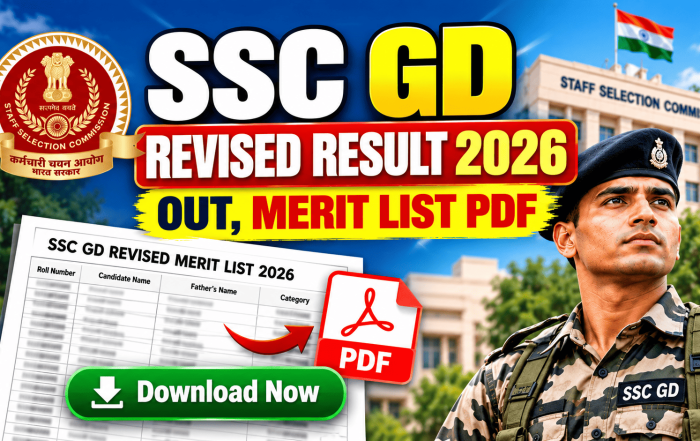
SSC GD Revised Result 2026 Out, Merit List PDF
SSC GD Revised Result 2026 Out, Merit List PDF SSC GD Revised Result 2026 is out! The Staff Selection Commission (SSC) released updated merit lists on 23 October 2026. This update helps candidates understand their [...]